
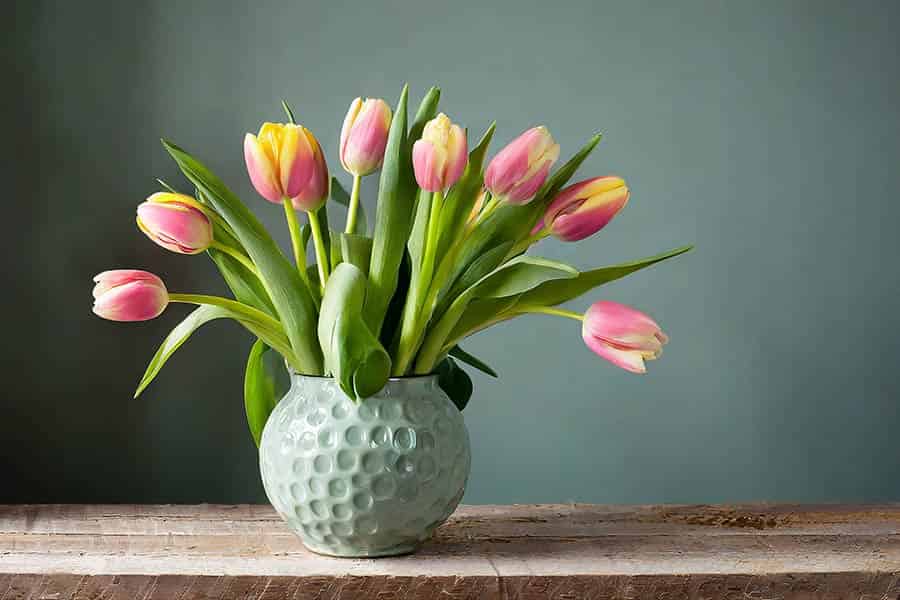
Did you know 90% of people have no clue that flowers speak a secret language? That’s right, every petal and color whispers something special. Our guide to the language of flowers is your key to unlocking these hidden messages. Whether you’re choosing a bouquet for a friend or just curious about floral symbolism, we’ve got the lowdown on what those blooms are really saying. From love and friendship to sorrow and celebration, flowers have a unique way of expressing emotions without saying a word.
Key Takeaways
- Learn how flowers can speak volumes by understanding their unique language and symbolism, making your gifts more meaningful.
- Discover the specific meanings of common flowers like roses for love, daisies for innocence, and lilies for purity to tailor your floral messages accurately.
- Use the language of flowers to express a wide range of emotions, from love and admiration to sympathy and apology, enhancing your personal connections.
- Follow tips on creating perfect floral messages by combining different flowers based on their meanings, ensuring your bouquet conveys the right sentiment.
- Explore how different cultures interpret the symbolism of flowers differently, enriching your knowledge and appreciation for global floral traditions.
- Apply the insights from floriography (the study of the language of flowers) to make thoughtful, personalized flower choices for friends, family, and loved ones.
Understanding Floral Language
Origins and History
Flower language has ancient roots. People have used flowers to express feelings since ancient times. Key historical periods saw its popularity rise. The Victorian era is one such time. Flowers carried secret messages then. Notable figures like Queen Victoria loved flower language.
In Turkey, lovers communicated through flowers. This practice spread across Europe in the 1700s. Books about flower meanings became popular.
Importance in Culture
Different cultures see flower meanings in unique ways. In Japan, cherry blossoms symbolize life’s beauty and brevity. In Mexico, marigolds guide spirits during Day of the Dead.
Flowers are key in rituals and ceremonies too. Weddings often use flowers with meanings of love and happiness.
Art and literature reflect flower symbolism. Shakespeare mentioned flowers in his plays. Paintings from various eras also show flowers with hidden meanings.
Modern Usage
Today, people still use flower language. They pick flowers for gifts based on their meanings. Valentine’s Day and Mother’s Day are two occasions where this matters a lot.
Social media helps spread knowledge about flower meanings. People share posts about what different flowers mean. This keeps the flower language alive today.
Symbolism of Common Flowers
Roses
Roses are famous for their deep meanings and beauty. Each color tells a different story. Red roses symbolize love and desire, while white ones stand for purity and innocence. Yellow roses speak of friendship, and pink ones show admiration.
Roses have long been linked with love and romance. They often appear in weddings and anniversaries. Besides love, roses also represent confidentiality. In ancient times, people placed them in meeting rooms to ensure secrets stayed within the walls.
Lilies
Lilies carry symbols of purity and renewal across cultures. They often appear in religious ceremonies and celebrations of new life.
The lily’s association with purity makes it a common choice for weddings. Different types of lilies, like the Easter lily or the Tiger-lily, have their own unique meanings. The Easter lily stands for resurrection, while the Tiger lily represents wealth and pride.
Tulips
Tulip colors hold significant meanings. Red tulips declare true love, while purple ones symbolize royalty. Yellow tulips once meant hopeless love but now represent cheerfulness.
Tulips played a major role in trade and culture, especially during the Tulip Mania in the 17th century. This flower is tied to perfect love stories and legends from various cultures.
Daisies
Daisies symbolize innocence and purity. These flowers remind many of childhood and simple joys.
Daisies play a big part in folklore, often used in games of love and affection. They express simplicity and joy, making them perfect for light-hearted occasions.
Emotions Through Flowers
Love and Affection
Roses, tulips, and carnations are top picks for love and affection. To make a romantic gesture, match the flower type to your partner’s preferences. The color of the flower plays a big role too. Red signifies deep love, while pink shows admiration.
Choosing the right flowers means knowing what each one means. For romance, go for flowers that speak from the heart.
Sympathy and Condolence
Lilies, chrysanthemums, and white roses are often chosen to express sympathy. These flowers carry meanings of peace and respect. The type of flower can say a lot in tough times.
Different cultures prefer different flowers for condolences. It’s important to consider this when picking flowers. They show care and thoughtfulness.
Gratitude and Appreciation
Sunflowers, daisies, and sweet peas symbolize gratitude. When picking thank-you flowers, think about the message you want to send. The way you present these flowers also matters a lot in showing your appreciation.
A well-thought-out bouquet can really show how thankful you are. Remember, it’s not just the flower type but also how you give them that counts.
Creating Perfect Floral Messages
Choosing the Right Flowers
Picking flowers is more than grabbing the prettiest ones. Think about why you’re giving them. Anniversary? Go for roses. A friend’s achievement? Sunflowers show your pride.
Their tastes matter too. Some love bright tulips, others prefer elegant orchids.
The color and flower type speak volumes. Red says love, while yellow means friendship. Choose wisely to send the right message.
Arranging for Impact
Arranging flowers isn’t just about putting them in a vase. It’s an art. Start simple. Mix sizes for interest but keep colors harmonious.
Texture adds depth. Combine smooth petals with spiky blooms for contrast.
The vase and where you place it are key. A tall vase makes a statement on a dining table. A small, colorful pot brightens a bedside table instantly.
Personalizing with Notes
Adding a note turns flowers into a story. Write about the moment or memory they remind you of. This personal touch makes them unforgettable.
A heartfelt message amplifies what the flowers already say. It shows thought and care.
Handwritten notes add a personal flair that typing can’t match. They make your floral gift truly one-of-a-kind.
Floriography in Different Cultures
Western Traditions
In the West, flowers are key to many holidays and events. People give roses on Valentine’s Day to show love. They use lilies at Easter to represent new life. During weddings, bouquets symbolize joy and unity.
Victorian times saw a peak in flower language. People used flowers to send messages they couldn’t say out loud. Red roses meant love. White lilies stood for purity. This secret language made every bouquet meaningful.
Eastern Traditions
Eastern cultures hold flowers in high regard too. In Japan, cherry blossoms symbolize the beauty and fleeting nature of life. Lotus flowers in India represent purity and enlightenment due to their growth in muddy water.
Flowers play a big role in Eastern festivals and rituals. For example, during the Lunar New Year, people use plum blossoms for luck and renewal. These traditions show deep respect for nature’s gifts.
Middle Eastern Traditions
Middle Eastern celebrations often feature flowers as symbols of hospitality and respect. Guests might receive jasmine garlands as a welcome gesture.
Traditional meanings are important here too. Roses signify love and respect. Jasmine represents beauty and modesty. These flowers enrich celebrations and daily life, showing kindness and hospitality.
Final Remarks
Diving into the language of flowers opens up a vibrant world of communication without words. You’ve seen how different blooms can express a range of emotions, from love to sorrow, and how they vary across cultures. It’s clear that with just a bit of knowledge, you can craft messages that are both beautiful and meaningful. Whether you’re picking out a bouquet for a friend or planning your garden, remember, that each flower has its own story.
Now it’s your turn to spread the love and understanding you’ve gained. Share this guide with friends or use it to send your next floral message. Flowers have a powerful way of connecting us, transcending language barriers and touching hearts. Let your bouquets do the talking and watch as those around you bloom with happiness.
Frequently Asked Questions
What is the language of flowers?
The language of flowers, or floriography, is a means of cryptological communication through the use or arrangement of flowers. Each flower and its color symbolize a specific emotion or message.
Can you give an example of flower symbolism?
Yes, roses symbolize love and passion, with different colors conveying unique messages. Red roses stand for love and desire, while yellow roses represent friendship.
How can I convey emotions through flowers?
Select flowers based on their symbolic meanings to express your feelings. For example, daisies represent innocence and purity, making them perfect for conveying heartfelt, genuine emotions.
How do I create a perfect floral message?
Combine flowers that match the message you wish to convey. Consider the symbolism of each flower and its color to craft a bouquet that delivers your intended sentiment accurately.
Is flower symbolism the same in all cultures?
No, flower symbolism can vary significantly across different cultures. For instance, while white flowers may represent purity in some cultures, they might symbolize mourning in others. It’s essential to understand cultural contexts when interpreting floral messages.
How can I learn more about floriography?
To deepen your understanding of floriography, consider studying various resources such as books, online articles, and cultural guides that explore the symbolism of flowers and their historical uses in different societies.
