
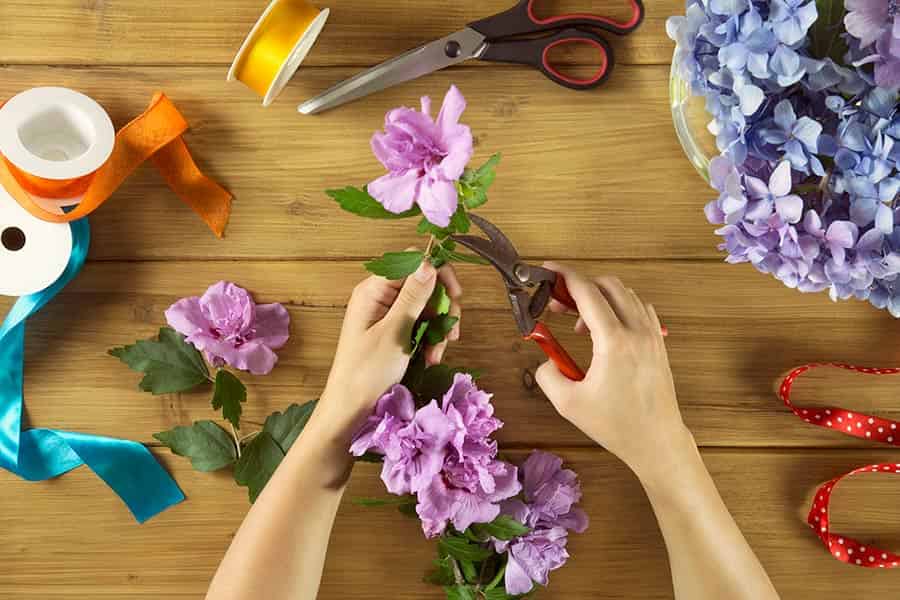
Diving into flower arranging can feel like stepping from a silent room into a symphony of colors and textures. It’s not just about putting flowers in a vase; it’s an art form that speaks without words, turning ordinary spaces into expressions of beauty. For beginners, the contrast between their initial apprehension and the joy of creating something beautiful is profound. This guide is your first step towards mastering this craft, offering simple, straightforward advice to transform you from a novice to a confident arranger. Let’s demystify the process and make flower arranging accessible and enjoyable for everyone.
Key Takeaways
- Learn the basics of floral design to make your arrangements look professional. Balance, color, and texture are key.
- Start with the right tools. Get scissors, floral foam, and a vase.
- Prepare your flowers properly by cutting stems and removing extra leaves to help them last longer.
- Try different arrangement techniques like grouping flowers or creating a focal point to find what you like best.
- Follow practical tips like changing water regularly and using flower food to keep your arrangements fresh.
- Practice makes perfect. Keep trying new flowers and styles to improve your skills.
Floral Design Principles
Understanding Proportion
Mixing different flower sizes adds interest. Big flowers should not hide small ones. This keeps the look balanced and pleasing.
To do this, place larger blooms at the base or center. Then, surround them with smaller flowers. This creates a harmonious balance in your arrangement.
Mastering the Rule of Three
Grouping flowers in sets of three makes the arrangement look natural. Odd numbers, especially three, add dynamic appeal.
This rule applies to both flowers and foliage. It helps create a focus point. Start with one main flower, then add two more around it. This forms a triangle shape that catches the eye.
Achieving Balance
Make sure your arrangement’s weight is even on both sides. Mix colors and textures for stability. Do not put too many flowers on one side.
For balance, place tall stems in the middle or back. Then, add shorter ones around them. This prevents the arrangement from tipping over.
Importance of Spacing
Leave space between flowers for air. This stops them from looking too crowded. It also lets each flower stand out.
To space flowers well, insert them at different heights. Allow some to peek out more than others. This gives depth and lets each bloom shine.
Essential Supplies
Basic Tools
For anyone starting with flower arranging, having the right tools is key. Sharp scissors or floral shears are a must. They make clean cuts, helping flowers last longer. Floral tape and wire come in handy for adding support to your designs. Don’t forget a spray bottle. It’s great for keeping blooms fresh.
Choosing Flowers
Choosing the right flowers is like picking colors for a painting. Look for fresh, vibrant flowers to ensure your arrangements last. Mixing different types adds variety and texture, making your design pop. Think about the color scheme and theme from the floral design principles section. This will guide your selection process.
Using a Vase with a Frog
A frog is not just an animal but also an essential tool in flower arranging. Place it at the bottom of your vase for stability. Insert stems into the frog to keep them in place. This setup helps create a structured look around the frog.
Ensuring Water Levels
Water is life for flowers. Fill the vase with enough water to cover the ends of the stems. Remember to check the water levels daily and top up as needed. Always use clean, room-temperature water for the best results.
Flower Preparation
Cutting Stems
Cut stems at a 45-degree angle. This helps them drink water better. Always trim stems under running water. It stops air bubbles from forming. Every few days, re-cut the stems. This keeps your flowers looking fresh.
Removing Leaves
Strip off leaves that will be below the water. This stops rot. Take away any leaves that look bad or wilted. It makes your arrangement look neat. By removing extra leaves, you make sure people see the flowers more than the foliage.
Hydrating Flowers
Put cut flowers in water right away. Adding flower food helps them last longer. Sometimes, give the petals a light spray of water. This keeps them fresh.
Using Floral Foam
Before using floral foam, soak it well. Make sure it’s secure in your container. This stops it from moving. When you put stems into the foam, do it firmly. This gives your flowers good support.
Arrangement Techniques
Creating a Base
Start with sturdy greens. They form the foundation. This base supports other flowers. Make sure it is evenly distributed. It helps the arrangement stand tall.
Adding Focal Flowers
Choose standout flowers next. They draw the eye. Position these focal flowers at different heights. This adds interest. Always use odd numbers. It looks more natural.
Filling with Greens
After focal flowers, add greenery. This fills gaps and adds texture. Use different shades of green for depth. Ensure these greens complement the flowers you chose earlier.
Final Touches
Now, adjust the flower positions for symmetry. Add small accents like berries or twigs. These add character. Look for any gaps and fill them in. This step makes your arrangement complete.
Practical Tips for Beginners
Start Simple
Begin with flowers that are easy to handle, like daisies. They are great for beginners. Use just a few types of flowers. This makes things less complex. First, focus on basic techniques you learned before. This helps you get better, step by step.
Experiment with Styles
Try out different styles of arrangements. For example, cascading or round ones look nice. Mix different flowers and pots or vases. This is how you find what you really like. It’s all about being creative and discovering your own special touch.
Learn from Mistakes
Look back at what didn’t work well before. Think about why and how you can do it better next time. Every mistake is a chance to learn something new. Don’t be afraid to try again and improve.
Keep Practicing
The more you arrange flowers, the better you get at it. Try new designs to keep things interesting. Remember, this should be fun! Enjoy making beautiful arrangements.
Final Remarks
Diving into flower arranging opens up a world of creativity and relaxation for you. You’ve learned the ropes, from design principles to picking the right supplies, preparing your flowers, mastering arrangement techniques, and grabbing practical tips to make your start smoother. Now, it’s all about practice. The more you arrange, the better you’ll get. Think of each bouquet as a step closer to becoming a flower arranging pro. It’s not just about making things look pretty; it’s about expressing yourself and bringing joy to others through your creations.
Don’t stop here. Take these basics and run with them. Experiment with different flowers, try new arrangements, and don’t be afraid to make mistakes; they’re just learning opportunities in disguise. Share your creations with friends and family, or brighten up your home. The world of floral design is vast and full of possibilities. Ready to bloom? Start arranging today!
Frequently Asked Questions
What are the basic principles of floral design?
The basic principles include balance, proportion, rhythm, emphasis, and harmony. Understanding these helps in creating visually appealing arrangements.
What supplies do I need to start flower arranging?
You’ll need floral scissors, tape, wire, a vase or container, and of course, fresh flowers. These essentials set the foundation for any arrangement.
How should I prepare flowers for arranging?
Trim stems at a 45-degree angle under water to prevent air bubbles and ensure better water absorption. Remove any leaves that will be below the waterline to keep the water clean.
Can you give me some basic flower arrangement techniques?
Start with a focal flower, then add supporting flowers and foliage to complement it. Use varying heights and textures for interest.
What are some practical tips for beginners in flower arranging?
Practice makes perfect. Start with simpler designs and gradually try more complex arrangements. Also, always use fresh, seasonal flowers for longevity.
How important is choosing the right vase for flower arranging?
Choosing the right vase is crucial as it not only supports the flowers but also contributes to the overall aesthetic of the arrangement. Consider the size and shape relative to your flowers.
Is it necessary to change the water in my flower arrangement?
Yes, changing the water every two days helps prevent bacteria growth and keeps your flowers looking fresh longer.
