
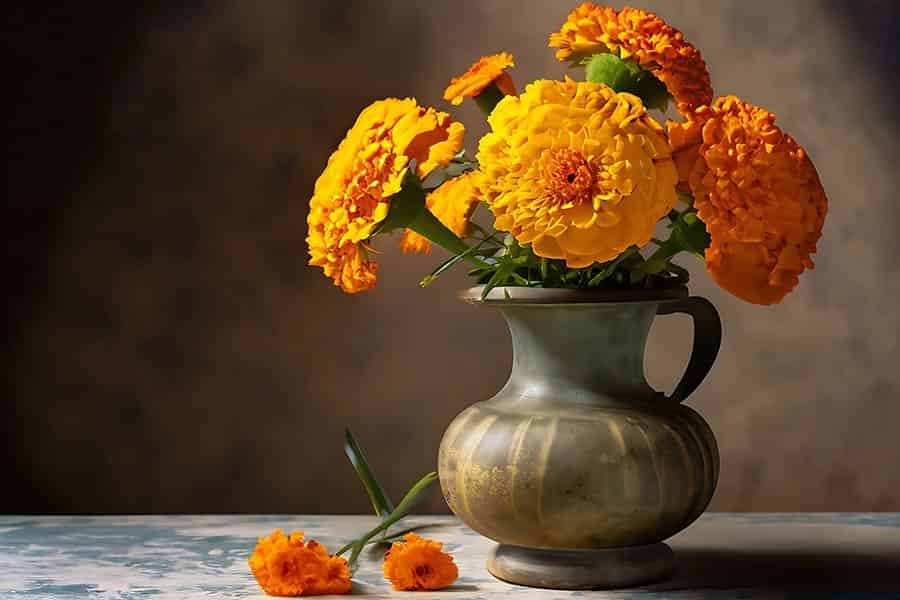
Flowers hold deep meanings and symbols across different cultures, telling unique stories from history to the present. While roses might universally signal love, the context changes dramatically from one country to another. In Japan, cherry blossoms symbolize the transient nature of life, a concept deeply rooted in samurai culture. Meanwhile, in Egypt, lotus flowers represent the sun and rebirth, echoing ancient beliefs. This post dives into the fascinating world of cultural differences in flower symbolism, exploring how these natural beauties carry diverse messages of life, death, love, and beyond.
Key Takeaways
- Flowers mean different things in different places. What’s happy in one culture might be sad in another.
- Before you give flowers to someone from another culture, check what those flowers mean there. This can help you pick the right ones.
- Different cultures have special flowers for certain events. Knowing these can make your flower gift even more special.
- Some flowers have meanings that almost all cultures agree on. But many don’t, so it’s good to know the differences.
- Giving flowers is a common way to show feelings across the world. But what flowers you choose can say a lot in different cultures.
- Learning about flower symbolism can make sharing and receiving flowers more meaningful. It shows care and respect for other people’s traditions.
Global Flower Symbolism
Universal Flower Language
Flowers speak a universal language. They help us share feelings without words. Many flowers have meanings that people all over the world understand.
Roses, for example, mean love and respect. This is true in many places. Lilies often stand for purity and renewal. People from different countries agree on this.
Popular Flower Meanings
These flowers are very popular because of what they mean. Roses are chosen for love. Daisies show innocence. Sunflowers represent happiness.
Why do we pick these flowers? Their colors and shapes help us share our feelings. For special days, we choose flowers with the right meaning.
Flowers like roses have more than one meaning. A red rose means deep love. A yellow rose stands for friendship. This shows how one flower can say many things.
Timeless Flower Gestures
Giving flowers is an old tradition. It has been a way to show care and respect for a long time. In the past, each flower and color had a special message.
These gestures have changed but still matter today. Now, we might give flowers to say sorry or thank you. Long ago, each flower had a very specific meaning.
Regional Floral Traditions
African Floral Customs
In Africa, flowers carry unique meanings. They are vital in ceremonies. For instance, the Calla Lily symbolizes beauty. It is often used in weddings.
African ceremonies use flowers to express feelings. The Protea, native to South Africa, stands for change and hope. This makes it popular at important events.
South American Flowers
Flowers hold a special place in South America. They are part of many celebrations. The Cantuta is sacred in Inca traditions and symbolizes unity and togetherness.
In festivals like the Day of the Dead, flowers bridge the living and the spiritual world. Marigolds guide spirits with their vibrant colors.
Asian Flower Traditions
Asia has a deep connection with flower symbolism. The Lotus, for example, is significant across many Asian cultures, representing purity and enlightenment.
Different countries have unique floral symbols. In Japan, the Cherry Blossom signifies the fleeting nature of life. Flowers play a crucial role in religious ceremonies too. They are offerings to gods and ancestors.
European Floral Practices
Europe’s flower symbolism varies by region. Lavender, widespread across the continent, often symbolizes love and devotion.
European celebrations frequently feature flowers. In Sweden, Midsummer is marked by wearing flower crowns. This tradition celebrates nature’s beauty.
Flower Symbolism in Specific Cultures
North American Flowers
In North America, flowers hold deep meanings. Roses symbolize love, while daisies represent innocence. During holidays like Valentine’s Day, roses are widely given to express affection.
Thanksgiving and Christmas see the use of poinsettias, symbolizing good cheer. These traditions show how flowers are integral to North American celebrations.
Australian Flower Etiquette
Australia’s flower symbolism is unique, and deeply tied to its native blooms. The Golden Wattle, Australia’s national flower, stands for unity.
Giving flowers in Australia follows certain rules. For example, bright flowers are chosen for celebrations, while softer tones are for sympathy. Understanding these nuances is key in Australian culture.
Local Florists’ Role
Local florists play a crucial role in flower selection. They guide customers on the right flowers for every occasion, ensuring cultural traditions are honored.
Florists also educate people about flower meanings, helping preserve these rich traditions. Their expertise makes them invaluable in maintaining cultural flower symbolism.
Sending Flower Etiquette
When sending flowers, knowing the dos and don’ts is vital. Always consider the recipient’s preferences and the occasion.
For instance, red roses are perfect for romantic gestures, but not for professional settings. Timing is also crucial; flowers should arrive on or before special days to convey the right message.
Individual Flower Meanings
Chrysanthemum Significance
In Japan, chrysanthemums symbolize the sun. They show love and happiness. People use them in the Festival of Happiness. But, in some places, they are for funerals. This makes them a flower of mixed meanings.
Europe sees them as symbols of death. Giving them can be seen as rude if not for a funeral.
Lavender Symbolism
Lavender means purity and calmness worldwide. In England, it stands for devotion. People use it in weddings to wish the couple peace.
Its scent helps people relax. Many cultures use it to heal and calm the mind. It’s a plant with both beauty and purpose.
Sunflower Messages
Sunflowers stand for loyalty and adoration across many cultures. They are like the sun, bringing light and warmth. People give them to show admiration and support.
They are perfect for happy events. Their bright faces make people smile. They tell someone you think they are bright and strong.
Lily Interpretations
Lilies mean purity and renewal in many places. Easter celebrations often include them to show new beginnings.
Different colors have different meanings. White lilies are for purity. Orange lilies speak of passion.
These types, like the calla lily, have unique meanings. They stand for beauty and grace.
Cultural Flower Gifting
Gift Occasions
People give flowers on many special days. Birthdays, weddings, and Mother’s Day are common times. It’s important to pick the right flowers for each event. Think about what the person likes too.
For a wedding, white roses mean love and unity. On birthdays, bright flowers like sunflowers bring joy. Always consider what the person enjoys most.
Appropriate Choices
Picking the right flowers needs care. Be mindful of cultural meanings. The color and type of flower can say a lot.
In some cultures, white flowers mean sadness and are for funerals. But in others, they stand for purity and start new things. Learn about these differences before choosing.
Red roses often mean love. Yellow roses stand for friendship. Know these symbols to make good choices.
Common Mistakes
A big mistake is not knowing flower meanings. This can send the wrong message. Another error is ignoring the person’s dislikes or allergies.
Giving lilies at a wedding in some places is bad luck. To avoid mistakes, ask about preferences and do a little research.
Remember, it’s not just the thought that counts. The right flower can make your gift perfect.
Summary
Exploring the rich tapestry of flower symbolism across cultures opens your eyes to a world where every petal, color, and arrangement tells a unique story. You’ve journeyed through global traditions, dived into specific cultural significances, and uncovered the meanings behind individual flowers. This knowledge not only enriches your understanding but also empowers you to navigate the delicate nuances of cultural flower gifting with confidence and respect.
Now, armed with this insight, you’re ready to bridge worlds and create moments of deep connection through the thoughtful exchange of flowers. Whether you’re celebrating love, expressing sympathy, or honoring a tradition, let the flowers you choose speak volumes. Dive deeper, keep learning, and let every flower you gift be a testament to your newfound appreciation for the diverse language of blooms.
Frequently Asked Questions
What does a red rose symbolize across different cultures?
In many cultures, a red rose universally symbolizes love and passion. However, its meaning can vary; for instance, in some Eastern cultures, it may also represent courage or respect.
How do cultural flower gifting traditions vary globally?
Cultural flower gifting varies greatly; in Japan, for example, white flowers are often associated with mourning and thus not suitable for celebrations, whereas in the USA, they can symbolize purity and are commonly used in weddings.
Can the same flower have different meanings in various cultures?
Yes, the same flower can carry different meanings across cultures. For example, while lilies are seen as symbols of purity and renewal in many Western societies, they can represent mourning and funerals in other regions.
What is the significance of lotus flowers in specific cultures?
The lotus flower holds deep spiritual significance in Eastern cultures, symbolizing purity, enlightenment, and rebirth. Its ability to bloom in muddy waters is seen as a metaphor for rising above suffering.
How do individual flower meanings influence floral arrangements?
Individual flower meanings can greatly influence the composition of floral arrangements, ensuring that the bouquet conveys the intended message or sentiment according to cultural symbolism, such as love, sympathy, or congratulations.
Why is understanding cultural flower symbolism important when gifting flowers?
Understanding cultural flower symbolism is crucial to avoid unintended messages. Since flowers can have varied meanings across different cultures, knowing their symbolism ensures that your floral gift conveys the right sentiment and respects the recipient’s cultural background.
Are there any universal flowers that are safe for gifting across cultures?
While no flower is universally accepted across all cultures, classic choices like roses (for love) and sunflowers (for happiness) tend to be widely appreciated. However, it’s always best to consider the recipient’s cultural background and preferences.
