
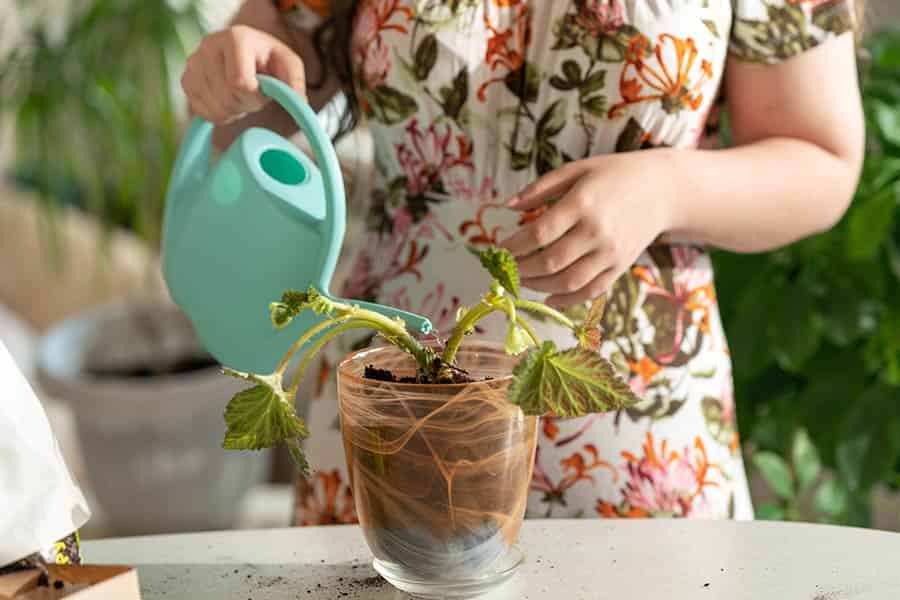
Caring for flowers often comes with a hidden cost to the environment, from excessive water use to chemical fertilizers that harm more than help. Yet, it doesn’t have to be this way. Embracing eco-friendly flower care tips can transform your gardening practices, benefiting both your blooms and the planet. This guide is your first step towards a greener thumb, offering simple yet effective strategies for nurturing your garden sustainably. Dive into these insights and make a positive impact, one petal at a time.
Key Takeaways
- Eco-friendly flower care means less harm to the environment. Use natural methods to keep flowers healthy.
- Water plants in the morning to save water and help them grow strong.
- Make your own compost. It’s good for plants and cuts down on waste.
- Pick local and seasonal flowers. They’re better for the earth and often healthier for your garden.
- Avoid chemicals in your garden. Natural pest solutions are safer for you and the planet.
- Starting with small changes can lead to a big impact on our environment. Begin your green journey today.
Understanding Eco-Friendly Flower Care
Benefits of Eco-Friendly Care
Eco-friendly flower care improves soil health. It adds good stuff to the dirt. Plants grow better this way.
It also cuts down on bad chemicals. This is good for our planet. Plus, it helps more types of plants and animals live in your garden.
Common Misconceptions
Some people think caring for flowers an eco-friendly way costs a lot. It doesn’t. Using what nature gives us can save money.
Others doubt if organic methods work. They do. Plants can thrive without chemical help.
And, dealing with pests naturally seems hard. It’s not. There are easy ways to keep bugs away without harm.
Basic Principles
Using natural resources wisely is key. Rainwater and sunlight are great for plants.
Healthy dirt and lots of plant types make gardens happy places. Avoiding man-made chemicals keeps everything safe and sound.
Eco-Friendly Tools
Hand tools are better than machines that pollute. They’re quiet and don’t use gas or electricity.
Biodegradable pots break down in the soil. This is better than plastic.
A rain barrel saves water from the roof. It’s good for watering plants without wasting tap water.
Natural Flower Care Tips
Organic Soil and Fertilizers
They can make soil great by using compost. Compost adds good stuff to the soil that helps flowers grow. They should use organic fertilizers too. These are better for the earth than chemicals. People should not use chemical stuff to change the soil.
Using natural things helps flowers and doesn’t hurt the planet.
Water Conservation Techniques
They can save water by setting up drip systems. These systems give water right to the plant’s roots. It’s best to water flowers when the sun comes up. This way, less water goes to waste.
Collecting rainwater is smart too. People can use it for their gardens instead of tap water.
Natural Pest Control
It’s good to bring in bugs that eat other bugs. This keeps flowers safe without chemicals. Neem oil and soap that kills insects are also smart choices. They stop pests but don’t harm the earth.
Planting flowers that bugs don’t like can keep them away too.
Composting for Healthy Flowers
People can start a pile of compost with things from their kitchen they don’t eat. They need to mix it up often. This makes it ready faster.
They can put compost around flowers or mix it with the soil. It’s like giving vitamins to the plants.
Sustainable Gardening Practices
Companion Planting
Companion planting helps your garden in many ways. By putting certain plants together, you can keep pests away. Some plants even help each other grow better. For example, marigolds can stop bugs from eating your flowers. This method makes your garden healthier without using chemicals.
Planting different kinds together also helps the soil. It keeps the ground full of good stuff that plants need to grow. This way, your flowers get what they need to be strong and healthy.
Crop Rotation
Changing where you plant flowers each year is a smart move. It stops the soil from losing its power to feed plants. Different flowers need different things from the soil. By moving them around, you help keep the soil happy and healthy.
Crop rotation also keeps diseases away. When flowers grow in the same spot too much, they can get sick. Moving them helps stop this problem. This keeps your garden safe and sound.
Native Plant Selection
Choosing plants that naturally grow in your area is wise. They do well in your local weather and don’t need much extra water or work. These plants are like a home for bees and butterflies too.
Native plants make your garden a place where local animals want to be. They help everything from tiny bugs to big birds. Plus, they make gardening easier for you.
Reducing Chemical Use
It’s possible to take care of pests without harsh chemicals. Natural ways can work very well. For example, using soap and water can stop bugs without hurting your flowers.
Using less chemicals means your garden is a safer place for everyone. It’s better for the earth too. There are many natural options that keep your flowers looking great.
Eco-Conscious Flower Maintenance
Mulching Benefits
Mulch helps keep the soil moist. This means you don’t have to water plants as much. It also stops weeds from growing. Over time, mulch makes the soil better.
They add nutrients back to the earth. This is good for your flowers.
Pruning Techniques
Cutting plants the right way helps them grow strong. You should take off dead or sick branches. This keeps the plant healthy.
Cutting also lets more air move around the plant. This can stop the disease.
Seasonal Care Tips
You need to water plants differently in each season. In hot months, they might need more water. When it’s cold, they need less.
It’s important to keep plants safe from very hot or cold weather. Some plants bloom at certain times of the year. Plan your garden so something is always blooming.
Recycled Garden Materials
Old things like pots and boots can turn into planters. You can use many household items in your garden. This is a smart way to recycle.
You can also make art for your garden out of things you might throw away. This makes your garden unique and helps the planet.
Starting Your Green Journey
Planning Your Garden
Start by designing with nature in mind. Use eco-friendly principles to shape your garden. This means thinking about how the sun moves across your space. Place plants where they’ll get just the right amount of sunlight and water.
Think ahead for beauty all year. Plan your garden so something is always blooming or catching the eye, even in winter.
Choosing Eco-Friendly Plants
Pick plants that don’t need much water. These are called drought-tolerant species. They help save water.
Perennials come back every year. Choosing them over annuals means you plant less often. This saves time and resources.
Look for plants that don’t get sick easily. Disease-resistant varieties mean you won’t have to use chemicals to keep them healthy.
Building a Compost Bin
You can make a compost bin from old wood pallets or wire mesh. It’s a great way to recycle kitchen scraps into food for your garden.
Make sure your compost bin has lots of holes. Air needs to get in to help things break down.
Put your compost bin somewhere easy to reach. You’ll be more likely to use it if it’s convenient.
Creating a Watering Schedule
Water your plants deeply but not too often. This helps roots grow strong.
Change how much you water based on what your plants need and the weather. Some days they’ll need more, some days less.
Check the soil before watering. If it’s still moist, wait another day.
Closing Thoughts
Embracing eco-friendly flower care isn’t just good for your garden; it’s a big win for the planet. You’ve learned how to nurture flowers naturally, adopt sustainable gardening practices, and maintain blooms with the Earth in mind. Starting your green journey means you’re part of a growing community committed to making a difference. It’s simple, really. Care for flowers the eco-friendly way, and you’re taking a step towards a healthier, more sustainable world. Let’s keep it up, because every little bit helps.
Now’s the time to put these tips into action. Share your eco-friendly flower care journey with friends and family. Inspire others to go green. Together, we can make an impact that lasts. Ready to get started? Your garden and the planet will thank you.
Frequently Asked Questions
What is eco-friendly flower care?
Eco-friendly flower care involves using sustainable methods and natural resources to grow and maintain flowers, reducing environmental impact.
How can I naturally care for my flowers?
Use organic compost for nutrients, collect rainwater for irrigation, and apply natural pest control methods like companion planting.
What are sustainable gardening practices?
Sustainable gardening includes composting organic waste, using native plants, conserving water, and avoiding chemical fertilizers and pesticides.
How can I maintain my flowers in an eco-conscious way?
Opt for manual tools over electric ones, use mulch to retain soil moisture, and choose organic pest control solutions.
What steps can I take to start my green journey in flower care?
Begin by researching native plants, set up a compost bin, collect rainwater for watering, and educate yourself on natural pest control techniques.
Why is eco-friendly flower care important?
It minimizes the use of chemicals that harm the environment, promotes biodiversity, and conserves natural resources for future generations.
