
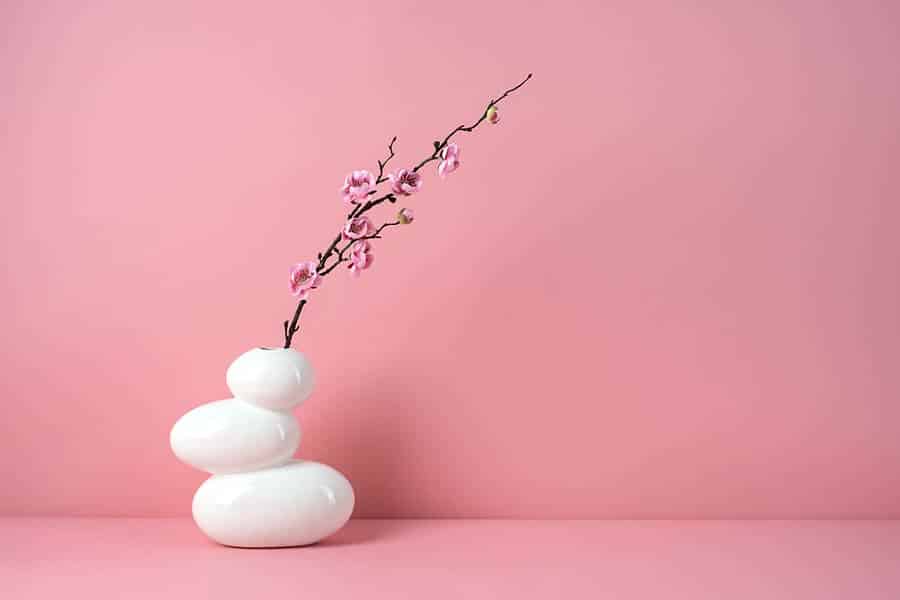
Ever wondered why Japanese ikebana flower arranging feels so peaceful? It’s not just about putting flowers in a vase. Ikebana is an art, where every bloom, branch, and leaf is placed with intention, creating harmony between nature and humanity. This ancient practice offers more than beauty; it’s a meditative process that teaches patience, appreciation for the subtle beauty of life, and the art of letting go. Whether you’re a seasoned florist or a curious beginner, diving into the world of ikebana can transform your approach to flowers and perhaps, even life itself.
Key Takeaways
- Ikebana is more than just flower arranging; it’s a deep, historical art form from Japan that teaches balance and harmony.
- There are many schools and styles of Ikebana, each with its own rules and techniques, so explore different ones to find your fit.
- Learning the unique techniques of Ikebana can help you create more meaningful and visually stunning arrangements.
- Modern trends in Ikebana blend traditional methods with contemporary design, showing that this art form is ever-evolving.
- Trying out Ikebana can provide a new way to express creativity and connect with nature in your daily life.
- By understanding the history and principles of Ikebana, you can appreciate not only the beauty of the arrangements but also the cultural significance behind them.
Historical Background
Origins of Ikebana
Ikebana started in Buddhist temples. Monks placed simple flowers to honor Buddha. This act began its journey. Over time, it changed. It wasn’t just about offerings anymore. It became an art. Chinese floral art played a big role. It influenced how Ikebana looks and feels.
Development Over Centuries
At first, Ikebana was for religion. Later, everyone started enjoying it. It wasn’t just for temples anymore. People made it part of their lives. They created schools to teach Ikebana. There are many styles now. Big changes happened during the Edo and Meiji periods. These times added new ideas and styles to Ikebana.
Cultural Significance
Ikebana is important in Japan. It’s part of tea ceremonies and festivals. You can see it in homes and public places too. It’s more than just flowers. Ikebana shows the seasons and feelings. Each arrangement tells a story or shares a feeling.
Ikebana Schools and Styles
Major Ikebana Schools
Ikenobo stands as the oldest ikebana school. It treasures tradition in its floral arrangements. This school has been shaping the art of flower arranging for centuries.
etsu school is known for its bold, modern styles. It allows artists to express themselves with flowers in new ways. This school breaks from tradition, welcoming innovation.
Ohara school focuses on bringing nature indoors. Its arrangements mimic natural landscapes, creating a serene beauty. This style connects people with the outdoors through flowers.
Traditional Styles
Rikka style is formal and structured. It often reaches towards the sky, showing harmony between heaven and earth. This style dates back to ancient times.
Nageire style is more relaxed. It looks like flowers have been tossed into a vase, but there’s skill in its simplicity. This approach celebrates the beauty of spontaneity.
Seika style values minimalism. It uses fewer flowers to make a big impact. This style is about finding elegance in simplicity.
Contemporary Styles
Modern ikebana includes materials like metal or plastic. Artists experiment with shapes and forms not found in traditional ikebana.
Western art has influenced contemporary ikebana. This blend of East and West brings fresh perspectives to flower arranging.
Contemporary styles offer freedom. Artists can explore their creativity without strict rules. This openness has led to innovative and personal expressions in ikebana.
Unique Techniques
Basic Techniques
Selecting the right materials is crucial in Ikebana. It’s not just about picking flowers. One must consider their shape, color, and condition. This ensures the arrangement starts off strong.
Kenzan, or needlepoint holders, provide stability. They are placed at the bottom of the container. This helps keep flowers and branches in place.
Cutting and positioning techniques are key for balance. Flowers should face different directions. This creates a natural look. Branches are trimmed to vary in height and depth.
Advanced Techniques
Advanced wiring and taping methods allow for more intricate designs. These techniques let artists bend and shape stems in ways that defy nature.
Using multiple containers can add complexity to arrangements. Some designs even incorporate complex structures as part of the display.
Creating movement and flow is essential. It makes the arrangement feel alive. Artists achieve this by carefully placing each element to guide the viewer’s eye through the piece.
Seasonal Themes
Seasonal flowers and plants bring authenticity to Ikebana. They reflect the current time of year. This adds depth to the art.
Ikebana often represents seasonal changes and festivals. For example, cherry blossoms might symbolize spring’s arrival.
Reflecting on nature’s cycles is important. It reminds us of the world outside our doors. Ikebana connects us to the larger rhythms of life through its use of seasonal themes.
Modern Trends
Fusion with Other Arts
Artists blend Ikebana with calligraphy and painting. This mix creates new art forms. They use flowers, ink, and canvas together.
Ikebana now fits into modern interior design too. People put these flower arrangements in their homes to make them look nicer.
e performers use Ikebana in shows. They combine it with dance and music. This makes the performance more special.
Ikebana in Contemporary Spaces
In modern homes and offices, Ikebana adds beauty. It makes these places feel calm and welcoming.
You can see Ikebana in public spots like hotels and galleries. It helps these places look better.
At events, Ikebana improves the mood. It makes gatherings feel more elegant.
Environmental Awareness
Ikebana artists choose flowers carefully. They pick ones that are good for the planet. This helps nature.
They also use things that don’t harm the earth. For example, they might use pots made of natural materials.
Ikebana teaches people about caring for nature. It shows how important plants and flowers are.
Final Remarks
Ikebana, more than just flower arranging, is a pathway to understanding Japanese culture and aesthetics. You’ve seen how it evolved from its historical roots to embrace various schools and styles, each with unique techniques. Modern trends have further broadened its appeal, merging tradition with contemporary life. This art form teaches patience, creativity, and a deep appreciation for nature’s transient beauty. It’s not just about placing flowers in a vase; it’s about bringing harmony, respect, and a sense of peace into your daily life.
Dive into the world of Ikebana today. Start with simple arrangements and let your creativity flow. Share your creations with friends or on social media. Who knows? You might inspire others to explore this beautiful art form. Remember, every stem placed is a step closer to mastering the serene art of Japanese flower arranging.
Frequently Asked Questions
What is Ikebana?
Ikebana is the Japanese art of flower arranging, emphasizing harmony, balance, and simplicity. It’s a disciplined form of expressing creativity through living flowers.
How old is the practice of Ikebana?
Ikebana has a history spanning over 600 years, originating in Japan during the 15th century as a Buddhist ritual.
What are some popular Ikebana styles?
There are several styles, including Rikka, Shoka, and Moribana. Each style has its unique characteristics and techniques.
Can beginners learn Ikebana easily?
Yes, beginners can start with basic techniques and simple arrangements. Many schools offer classes tailored to novices.
How does Ikebana differ from Western flower arranging?
Ikebana focuses on minimalism, the structure of lines, and the symbolism of the materials used, contrasting with the Western emphasis on color and abundance.
Are there modern trends in Ikebana?
Modern Ikebana incorporates contemporary elements and materials, blending traditional techniques with new ideas to suit today’s lifestyles.
Why practice Ikebana?
Practicing Ikebana offers mental relaxation, enhances creativity, and fosters a deeper appreciation for nature’s beauty.
