
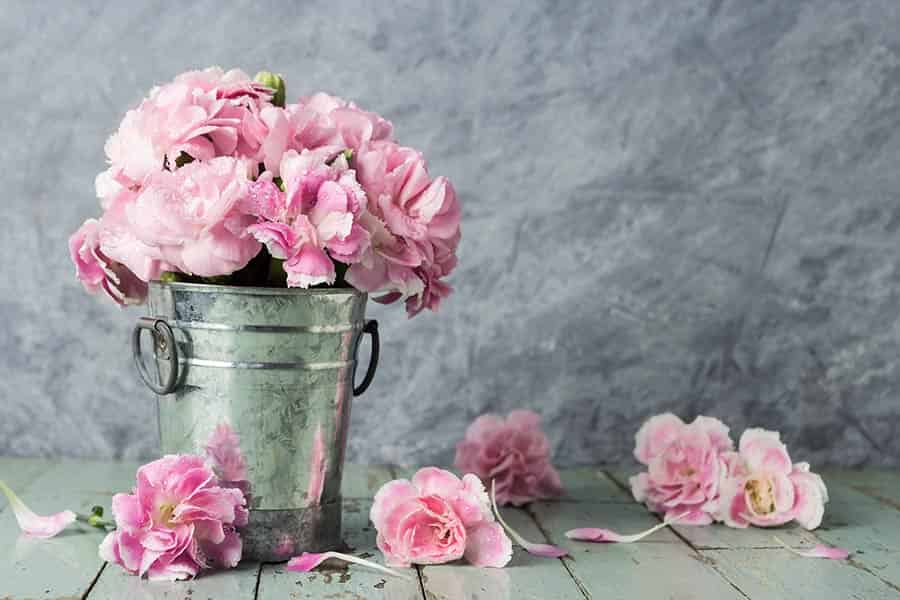
Ever wonder what flowers are perfect for a January birthday? January birthday flowers are like little bursts of joy in the cold winter. These blossoms have stories to tell and beauty to share. From cheerful carnations to delicate snowdrops, they carry special meanings and vibrant colors. Whether you’re picking a bouquet or just curious, these flowers offer a delightful way to celebrate January birthdays. Stick around to explore their charm and significance!
Key Takeaways
- January birth flowers are carnations and snowdrops.
- Carnations symbolize love and fascination.
- Snowdrops represent hope and rebirth.
- Both flowers need cool temperatures to thrive.
- Water carnations regularly for best growth.
- Snowdrops prefer well-drained soil.
Understanding January Birth Flowers
Birth Flower Concepts
Birth flowers are special. They represent each month of the year. People use them to celebrate birthdays. For January, the birth flowers are Carnation and Snowdrop. Carnations come in many colors. Snowdrops are white and delicate.
These flowers can make gifts personal. You can give someone their birth flower on their birthday. It shows you care and know about them.
Myths and Meanings
Carnations and snowdrops have stories. One legend says carnations grew from Mary’s tears at Jesus’ cross. Snowdrops symbolize hope. They bloom even in cold winter.
Different cultures have beliefs about these flowers. In some places, carnations mean love. Snowdrops can mean new beginnings. These myths shape how people see these flowers today.
Real vs Artificial Options
Real flowers smell nice and look fresh. They need water and sunlight. They can wilt quickly if not cared for properly.
Artificial flowers last longer. They don’t need water or sunlight. They’re great for people who travel a lot or have allergies.
Artificial flowers work well in certain situations:
- When you want a gift to last
- If you can’t care for real plants
- In places with little light
Spotlight on Carnations
History and Origins
Carnations have a long history. They date back over 2,000 years. These flowers originated in the Mediterranean region. Ancient Greeks and Romans used carnations in ceremonial crowns. Snowdrops, another January flower, are native to Europe. They appeared in ancient art and texts. Cleopatra reportedly adorned herself with these blossoms.
Symbolism and Meaning
Carnations symbolize love and admiration. Different colors have different meanings. Red carnations show deep love. Pink ones mean gratitude. White carnations represent purity. Snowdrops symbolize hope and rebirth. This symbolism affects gift choices. People choose colors based on the message they want to convey.
Uses and Benefits
Carnations are popular in decor. They add beauty to bouquets and arrangements. These flowers last long when cut, making them a favorite for events. Snowdrops are less common in decor but bring early spring cheer to gardens. Carnations also have medicinal uses. They can ease stress and anxiety when brewed as tea.
Types and Varieties
Carnations come in many types. The most common is the large-flowered carnation. Spray carnations have smaller blooms on one stem. Dwarf carnations are compact and bushy. Some rare varieties include green carnations, known for their unique color. Snowdrops also have varieties like the giant snowdrop, which blooms earlier than others.
Exploring Snowdrops
Symbolism and Significance
Snowdrops are more than just pretty flowers. They hold deep cultural meanings. In many cultures, they symbolize hope and new beginnings. People often see them as a sign that winter is ending.
Artists and writers use snowdrops to show purity and innocence. They appear in stories and poems as symbols of renewal. In some traditions, snowdrops are used in festivals marking the start of spring.
Growth and Bloom Guide
Planting snowdrops is simple. They grow well in cool climates. The best time to plant them is in early fall. Choose a spot with partial shade. This helps them thrive.
Snowdrops bloom from January to March. They need well-drained soil. Water them regularly but do not let the soil get soggy. Carnations, discussed earlier, have different needs but both bring beauty to gardens.
Care and Maintenance
Taking care of snowdrops is easy with a few tips. Water them once a week during dry spells. Use a balanced fertilizer in early spring for healthy growth.
Watch out for pests like slugs and snails. These can harm your plants. Keep an eye on diseases too. If leaves turn yellow, it might be a sign of trouble. Remove affected parts to keep plants healthy.
Caring for January Flowers
Growing Tips and Advice
For successful growth, plant in well-drained soil. Snowdrops prefer cool, shady spots. Carnations need more sunlight. Water them regularly but avoid overwatering. Use a trowel to dig holes for planting bulbs or seeds. Gloves keep hands clean and safe.
Common mistakes include planting too deep. This can prevent blooms. Also, neglecting to remove dead leaves may harm new growth. Keep the area tidy for best results.
Displaying at Home
Arrange carnations with snowdrops for a pretty look indoors. Use a mix of heights for interest. Pair them with simple decor styles like minimalist or rustic. Soft colors like white and pastel suit these flowers well.
Choose clear glass vases to show off stems. Place them where they get indirect light, like near windows. Avoid direct sun as it can fade petals quickly.
Artificial Flower Maintenance
Clean artificial flowers with a soft cloth or brush. Dust them weekly to keep them fresh-looking. For deeper cleaning, use a mixture of water and mild soap.
Store artificial flowers in a cool, dry place when not in use. Keep them away from direct sunlight to prevent fading. Cover them with plastic bags to protect from dust.
Closing Thoughts
January’s birth flowers, carnations and snowdrops, are like little gems in the winter garden. They bring a splash of color and life when everything else seems asleep. Think of them as nature’s way of giving January babies their own floral fanfare. Caring for these blooms isn’t rocket science either. Just a bit of love and attention, and they’ll thrive like champs.
Whether you’re celebrating a birthday or just looking to add some cheer to your space, these flowers have got your back. Dive into the world of carnations and snowdrops. Let them brighten your days. And hey, why not share this newfound flower wisdom with friends? Spread the joy and let others in on the secret beauty of January blooms! Go on, make someone’s day with a bouquet or two.
Frequently Asked Questions
What are the birth flowers for January?
January’s birth flowers are carnations and snowdrops. Carnations symbolize love and distinction, while snowdrops represent hope and rebirth. They’re like nature’s little gems for January birthdays.
Why are carnations special for January birthdays?
Carnations are known for their vibrant colors and long-lasting blooms. They symbolize admiration and love, making them perfect for celebrating a January birthday. Think of them as a warm hug in flower form.
How do snowdrops fit into January celebrations?
Snowdrops peek through the frosty ground, symbolizing hope and new beginnings. They’re like nature’s gentle reminder that spring is on its way, perfect for brightening up a cold January day.
How should I care for carnations at home?
Keep carnations in a cool spot with indirect sunlight. Change the water every few days and trim the stems regularly. They’re low-maintenance, just like your favorite cozy sweater.
Are snowdrops easy to grow indoors?
Snowdrops prefer outdoor conditions but can thrive indoors with care. Provide them with plenty of light and keep the soil moist. Imagine creating a mini winter wonderland on your windowsill.
Can I gift both carnations and snowdrops together?
Absolutely! Pairing carnations’ bold colors with delicate snowdrops creates a stunning bouquet. It’s like mixing the warmth of a fireside chat with the crispness of a winter morning.
What colors do carnations come in?
Carnations come in various colors like red, pink, white, and yellow. Each color has its own meaning, from love to friendship. It’s like having a rainbow of emotions in floral form.
