
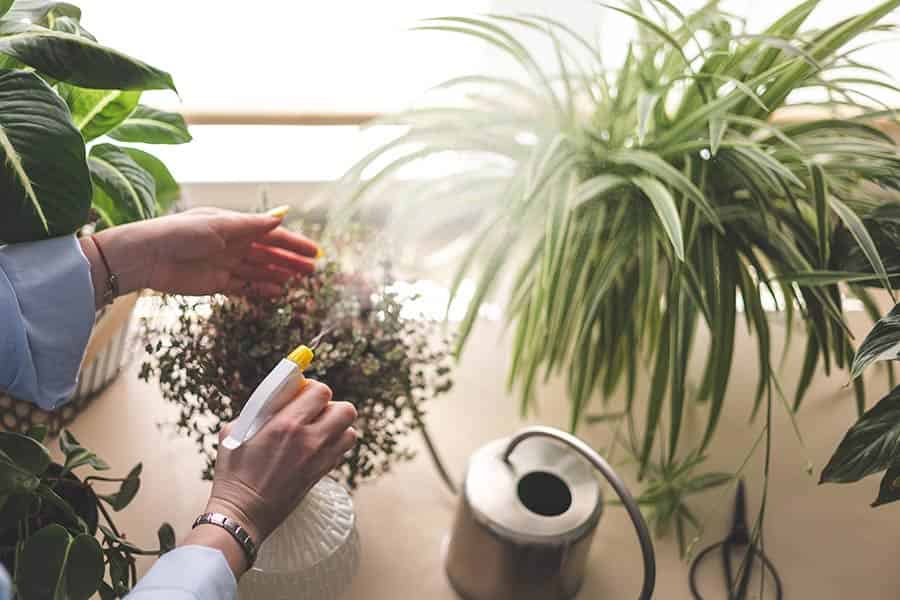
Ever wondered why your garden flowers wilt despite your best efforts? Preventing flower diseases starts with understanding the basics and applying simple, effective strategies. In this guide, we dive into the essentials of keeping your blooms healthy and vibrant. From recognizing early signs of trouble to choosing disease-resistant varieties, we cover all you need to know. Armed with these tips, you can ensure your garden remains a blooming paradise, free from the common ailments that plague many gardeners. Let’s get your garden thriving again!
Key Takeaways
- Keep your flowers healthy by learning about common diseases. This helps you spot problems early.
- Use preventive steps like proper spacing and watering to stop diseases before they start.
- Try natural remedies first, like baking soda or neem oil, to fight diseases without harsh chemicals.
- If needed, use chemical treatments carefully. Follow the label and protect good bugs and the environment.
- Pests can spread diseases. Control them with safe methods to keep your flowers looking great.
- Always pick the right flowers for your area’s weather and soil to prevent problems from the beginning.
Common Flower Diseases
Powdery Mildew Symptoms
Powdery mildew is easy to spot. Look for white, powdery spots on both leaves and stems. This disease can cause plants to look weird. Their growth might be stunted or distorted. Leaves often turn yellow or brown when sick.
Mosaic Viruses Impact
Mosaic viruses make leaves look odd. They create mottled or streaked patterns. Plants won’t grow as big as they should. Also, flowers might not come out much. This virus really slows down how much a plant can bloom.
Leaf Spot Identification
Leaf spot is another common issue. It starts with small, dark spots on the leaves. Around these spots, you might see yellow halos. If it gets bad, leaves might fall off too soon. This makes plants look bare and unhealthy.
Downy Mildew Signs
Downy mildew is tricky but not impossible to find. Check under leaves for yellow or white patches. Sometimes, there’s fuzzy gray or purple mold there too. Leaves might curl up and turn brown, which isn’t good for the plant.
Preventive Measures
Proper Watering Techniques
Watering right is key. Water plants at the soil level to keep leaves dry. This prevents many diseases. Make sure the soil is moist but not soaked. Overly wet soil can harm roots. It’s best to water flowers early. This way, the sun can dry the water on the ground. This reduces disease risk.
Adequate Air Circulation
Plants need room to breathe. Don’t put them too close together. This helps avoid disease spread. Pruning helps too. It makes air flow better around and through plants. In greenhouses, fans are useful. They move air around, keeping it fresh.
Soil Health Maintenance
l health is crucial for healthy flowers. Test the soil’s pH to see if it’s right for your plants. Adding organic matter helps the soil stay healthy. It makes the soil better for plants. Crop rotation is another smart move. It stops diseases from staying in the soil.
Regular Plant Inspections
Checking plants often is important. Do it every week. Look at all parts of the plant, especially under leaves. If you see sick parts, get rid of them safely. This stops diseases from spreading.
Natural Remedies
Neem Oil Application
Mix neem oil with water following the label’s advice. Spray this mix on your flowers every one to two weeks. It helps keep bugs and fungus away. Use it before you see any problems. This keeps your garden healthy.
Baking Soda Spray
Make a spray with baking soda, water, and a little soap. This mix stops fungus from growing on plants. If it rains or you water your flowers, put it on again. It’s good for keeping leaves free from disease.
Garlic Extract Use
Crush some garlic and mix it with water. Spray this on your plants to stop pests and fungi. Do this often to see the best results. Garlic is strong against many garden troubles.
Milk Solution Benefits
Mix milk and water in a 1:9 ratio. Spray your plants with this solution to fight off powdery mildew. You should do this every two weeks or so. Milk is surprisingly effective against this common plant problem.
Chemical Treatments
Fungicide Types
Gardeners can choose between contact and systemic fungicides. Contact ones stay on the surface. They protect plants without getting inside. Systemic fungicides go into the plant. They fight diseases from within. For an organic approach, use copper-based options. These are good for the environment and safe for most flowers. Always read and follow label instructions. This keeps your garden safe.
Safe Application Methods
It’s important to wear protective clothing and gloves. This keeps your skin safe from chemicals. Apply fungicides when the air is still. This stops them from drifting to places you don’t want them. Store all chemicals in a safe place. Make sure kids and pets can’t get to them.
Timing and Frequency
Apply treatments early or late in the day. This helps the plants absorb them better. Stick to the recommended times for putting more on. Watch the weather. Rain can wash treatments off before they work.
Environmental Considerations
Be careful not to use chemicals near water like rivers or lakes. Choose products that are kind to the earth when you can. After treating diseases, throw away dead plants and leaves properly. This stops diseases from spreading.
Pests and Their Control
Identify Common Pests
Pests can harm flowers. Aphids are tiny and soft. Caterpillars show chewing damage. Japanese beetles shine in metallic green.
To keep flowers healthy, know these pests. Each has a unique sign.
Aphid Management
Aphids dislike water. A strong jet can remove them. For more help, add ladybugs. They eat aphids.
When aphids get too many, use soap made for insects. It helps a lot.
Caterpillar Control
You can pick caterpillars off by hand. Another way is using Bt, a special germ that only affects them. Birds also help by eating caterpillars.
These methods protect flowers without harsh chemicals.
Japanese Beetle Solutions
Beetles can be caught by hand too. Then, drop them in soapy water. To catch more, use traps that smell like beetles.
Neem oil makes beetles not want to eat your plants. It’s a natural option.
Summary
Keeping your flowers blooming and disease-free is all about staying proactive. You’ve learned about common diseases, how to prevent them, natural and chemical ways to fight back, and controlling pesky pests. It’s clear that a bit of prevention goes a long way. Tending to your garden with care and using the right strategies can keep your plants healthy and vibrant. Remember, it’s not just about reacting when problems pop up; it’s about creating an environment where those problems are less likely to occur in the first place.
Now, it’s over to you. With the knowledge you’ve gained, you’re well-equipped to protect your garden. Start applying these tips today and make your garden a showcase of health and beauty. Don’t let your hard work go to waste by letting diseases take hold. Your flowers depend on you, so give them the care they deserve. Happy gardening!
Frequently Asked Questions
What are common flower diseases?
Common flower diseases include powdery mildew, black spot, rust, and botrytis blight. Identifying these early is crucial for effective treatment.
How can I prevent flower diseases?
Preventive measures include proper spacing, watering at the base, avoiding overhead watering, and ensuring good air circulation around your plants.
Are there natural remedies for flower diseases?
Yes, natural remedies like neem oil, baking soda mixes, and garlic sprays can effectively manage many fungal and bacterial diseases in flowers.
When should I use chemical treatments for flower diseases?
Use chemical treatments as a last resort when natural remedies fail to control the disease. Always follow the product’s instructions carefully to avoid harming your plants.
How do pests contribute to flower diseases?
Pests can spread diseases by moving spores from infected to healthy plants. Controlling pests is essential in preventing the spread of flower diseases.
Can mulching help in preventing flower diseases?
Yes, mulching helps retain soil moisture, reduces weed growth, and can prevent soil-borne pathogens from splashing onto leaves during rainfalls, reducing disease risks.
